| Clear images and colors | Last update: 2026/09/7 | |
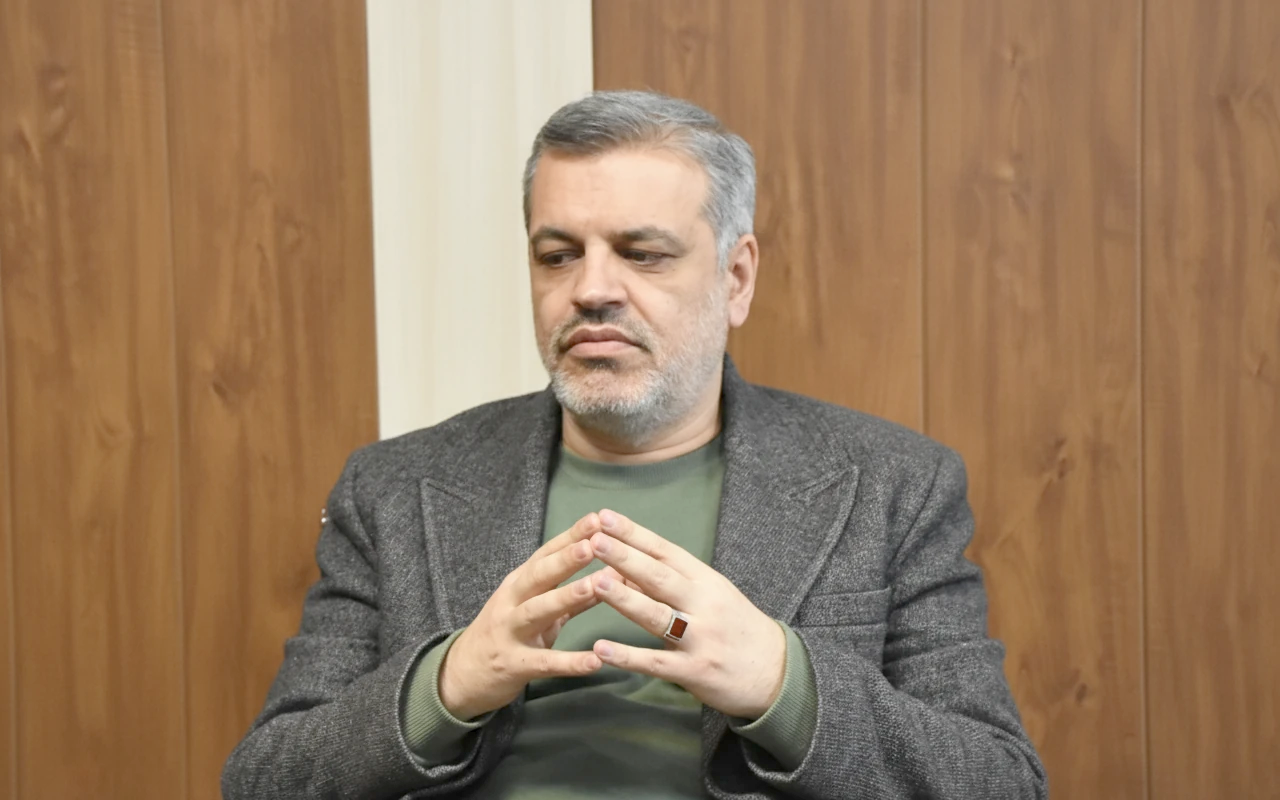
TEHRAN — Professor Mohammadtaghi Karami, Head of the Secretariat for the 17th Farabi International Festival and President of the Institute for Cultural and Social Studies, has officially outlined the structure and core themes of the upcoming festival. This announcement follows the recent issuance of official appointments by Iran’s Minister of Science, Research, and Technology.
Professor Karami, while announcing the commencement of the festival’s official activities as of Monday, July 19, 2026, emphasized that the Farabi International Festival is recognized by the government of the Islamic Republic of Iran as the “Supreme Award” in the fields of humanities and social sciences.
Structure and Themes of the 17th Festival
As the festival secretariat is based at the Ministry of Science’s Institute for Cultural and Social Studies, Professor Karami detailed that the secretariat oversees the evaluation and judging of works across 16 specialized fields covering humanities, arts, social sciences, and Islamic studies.
Highlighting the distinctions of this edition, he explained that submissions are accepted in five specific formats: books, completed research projects, doctoral dissertations, master’s theses, and academic articles published in journals affiliated with the Ministry of Science, religious seminaries, or indexed in ISI. The submission window for domestic works is set for research conducted between April 2022 and March 2025. For the international section, works on “Islamic Studies” and “Iranology” published in non-Persian languages between 2022 and 2024 are eligible.
Innovative Approach to Judging and Interdisciplinary Collaboration
Professor Karami also elaborated on the strategic changes in the evaluation process. He noted a significant shift in the “Interdisciplinary Studies” group, where works will be assessed in collaboration with the Razi, Khwarizmi, and Cultural Research festivals.
Furthermore, he outlined a proactive approach for the secretariat: “The secretariat’s role is not limited to merely evaluating submitted works. We are actively engaging with directors of educational and research departments to identify and invite the most significant and distinguished publications from the specified period, ensuring a higher quality of evaluation.”
Timeline and Submission Procedures
According to the roadmap provided by the Head of the Secretariat, the submission process is scheduled for August and September 2026, with the evaluation and judging phases taking place in October and November.
In his concluding remarks, Professor Karami invited all researchers, professors, and students to actively participate in the festival, helping the secretariat fulfill its role as a leader in humanities research. For more information and to submit works, interested individuals can visit the festival’s official website at www.farabiaward.ir. Submissions can be uploaded digitally, though paper copies are also required to be sent to the secretariat. Festival staff are available during business hours to assist researchers with any inquiries.
|